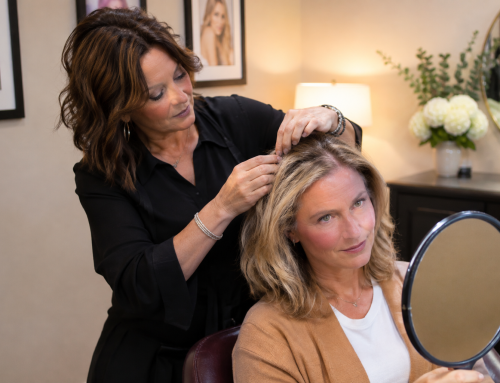
Taking care of your hair doesn’t have to involve expensive products or a complicated routine. Sometimes, the small things you do every day can make the biggest difference in how your hair looks and feels.
Although some types of hair loss are caused by genetics, hormones, or medical conditions, there are simple ways to protect the hair you have and keep it looking its best.
1. Be Gentle When Brushing Your Hair
Brushing your hair too aggressively can lead to breakage, especially if your hair is already thin or fragile. Instead of pulling a brush through tangles, start at the ends and slowly work your way toward the roots. A wide-tooth comb or a brush designed for detangling can help reduce pulling.
Wet hair can be particularly vulnerable to damage, so take your time after showering. A little patience can help prevent unnecessary breakage.
2. Give Your Hair a Break from Heat Styling
Blow dryers, curling irons, and straighteners can make your hair look great, but frequent exposure to high temperatures can weaken the hair shaft. You don’t have to give up your favorite styling tools completely. Try lowering the temperature, using a heat protectant, and allowing your hair to air-dry occasionally.
If your hair is already thinning, reducing heat damage may help the strands you have maintain their strength and appearance.
3. Avoid Hairstyles That Pull Too Tightly
 A sleek ponytail or tight bun might be convenient, but wearing these styles every day can put unnecessary tension on your hair.
Over time, repeated pulling can contribute to a condition called traction alopecia, which causes hair loss in areas where the follicles experience ongoing stress.Try switching between loose hairstyles and avoiding tight braids, ponytails, or extensions that pull at your scalp. If a hairstyle feels uncomfortable or causes soreness, that’s usually a sign it’s too tight.
4. Keep Your Scalp Clean and Healthy
Healthy-looking hair starts with proper scalp care.
Oil, sweat, and styling products can build up on your scalp, making your hair feel greasy or uncomfortable. Washing regularly with a shampoo suited to your hair type helps remove that buildup. There’s no universal rule for how often you should wash your hair. Some people need to shampoo daily, while others can comfortably go several days between washes.
Pay attention to how your scalp feels. Persistent itching, redness, flaking, or irritation may be signs that you need professional advice.
5. Pay Attention to What You’re Eating
Your hair needs nutrients to grow and maintain its structure. A balanced diet that includes enough protein, iron, and other essential vitamins and minerals supports normal hair growth. Foods such as eggs, fish, beans, leafy greens, and nuts can help provide those nutrients. Read more about the link between your diet and hair loss here.
6. Protect Your Hair While You Sleep
Your nighttime routine can affect your hair more than you might think. Tossing and turning can create friction between your hair and pillowcase, leading to tangles and breakage. If you frequently wake up with knots or frizzy hair, consider using a satin or silk pillowcase.
Avoid going to sleep with your hair pulled into a tight ponytail or bun, especially if you’re already experiencing thinning around your hairline.
7. Find Ways to Manage Everyday Stress
Stress affects people differently, and in some cases, significant physical or emotional stress can contribute to increased hair shedding. This doesn’t mean that every stressful day will cause hair loss. However, prolonged stress or major changes in your health can sometimes disrupt the normal hair growth cycle.
Getting enough sleep, staying physically active, and making time for activities you enjoy can support your overall well-being. Read more about how stress can affect your hair here.
8. Don’t Ignore Changes in Your Hair
One of the most helpful habits you can develop is simply paying attention to your hair.It’s normal to shed approximately 50 to 100 hairs each day. But if you notice your part getting wider, your ponytail becoming thinner, or more of your scalp showing, it may be time to take a closer look.
Hair thinning can happen gradually, making changes difficult to recognize at first.
When Good Hair Habits Aren’t Enough
Even with excellent hair care habits, some people will still experience thinning hair or hair loss.
At Allusions, we help women and men in Cincinnati explore hair loss solutions suited to their individual needs. During a consultation, one of our hair loss specialists will review your hair loss history and perform a scalp analysis. If we determine that we can help, we’ll discuss the options that may work best for your situation.
Contact Allusions in Cincinnati to schedule a consultation and learn more about your hair loss options.